Tatler, Flashbulbs, and the Making of a Tabloid Eye

London, UK · December 2008

I didn’t arrive at tabloid photography through theory or ambition. I arrived through proximity, access, and timing. By December 2008, a few months after I had begun contracting at the News of the World, British celebrity culture was still driven by print. Magazines mattered. Covers mattered. A single image could travel the world overnight, not because it was beautiful, but because it landed first. This was the final stretch of a particular media ecology. Before social media flattened everything into a constant stream, there was a narrow gate, and a small number of photographers knew where it was. This photo essay documents that moment from the inside. It traces the overlap between Tatler, the paparazzi economy, and the machinery of British tabloids at their peak, just before legal pressure, cultural backlash, and technology began dismantling the system entirely. These images are not retrospective reconstructions. They are contemporaneous artefacts: covers, spreads, commissions, and behind-the-scenes material produced during the same period I worked inside the tabloid press itself. This is not nostalgia. It’s evidence. Within two years, this system would begin to collapse. Phone cameras, social platforms, and changing privacy laws dismantled the old hierarchy. What followed was not reform, but fragmentation, universal access without universal accountability.
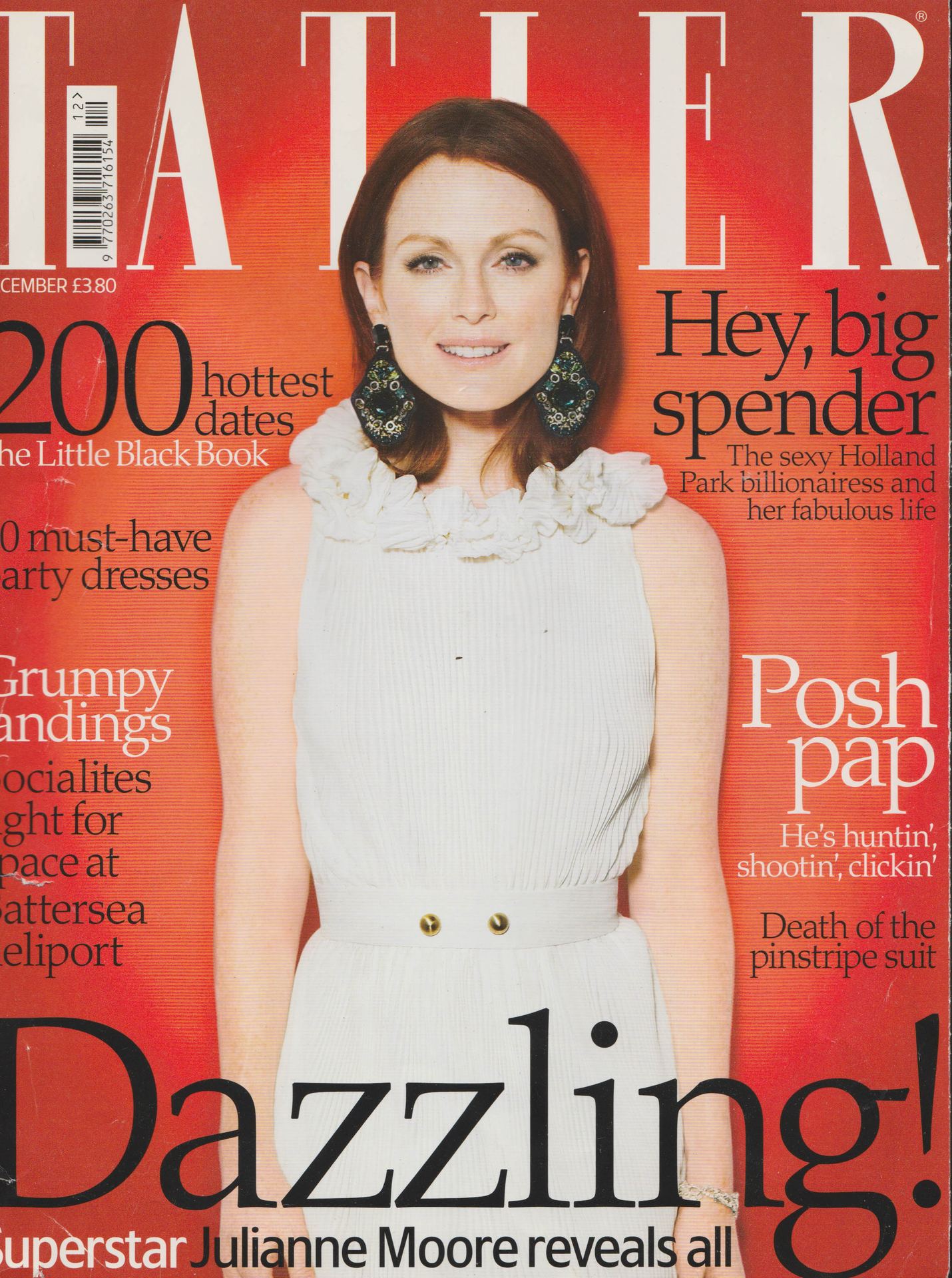
Glossy cover culture at its height. By late 2008, print magazines still functioned as cultural gatekeepers: circulation, access, and narrative control converged on the cover.
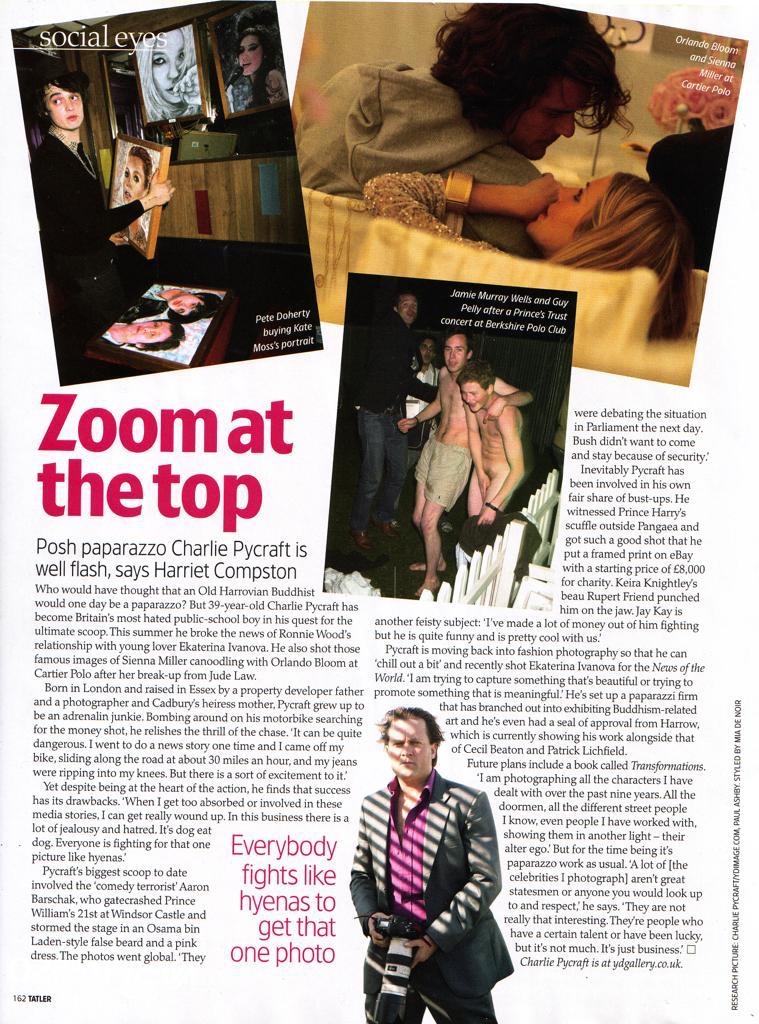
A Tatler profile published in December 2008, shortly after I began contracting at the News of the World. The language reflects the era: speed, access, and competitive pressure framed as glamour rather than risk.

Behind the scenes of tabloid acquisition. Images circulated rapidly between photographers, picture desks, and editors long before publication, attribution, or public scrutiny.

Social proximity as professional currency. Events, after-parties, and informal spaces were often where access was established well before cameras were raised.

The photographer as both observer and participant. By 2008, the boundaries between documentation, intrusion, and performance were already under strain.
A Tatler profile published in December 2008, shortly after I began contracting at the News of the World. The language reflects the era: speed, access, and competitive pressure framed as glamour rather than risk. Behind the scenes of tabloid acquisition. Images circulated rapidly between photographers, picture desks, and editors long before publication, attribution, or public scrutiny. Social proximity as professional currency. Events, after-parties, and informal spaces were often where access was established well before cameras were raised. The photographer as both observer and participant. By 2008, the boundaries between documentation, intrusion, and performance were already under strain.